
Overview Of Vasari Corridor
History on Vasari Corridor
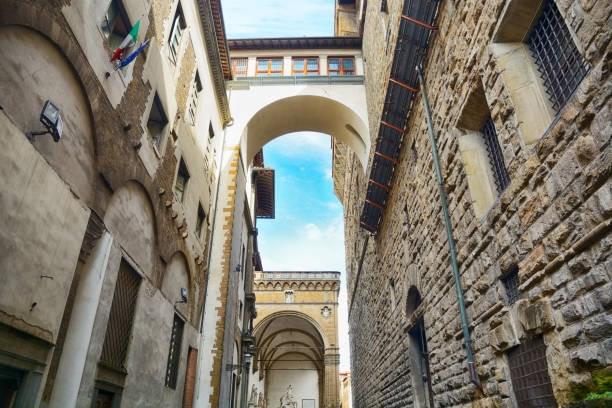
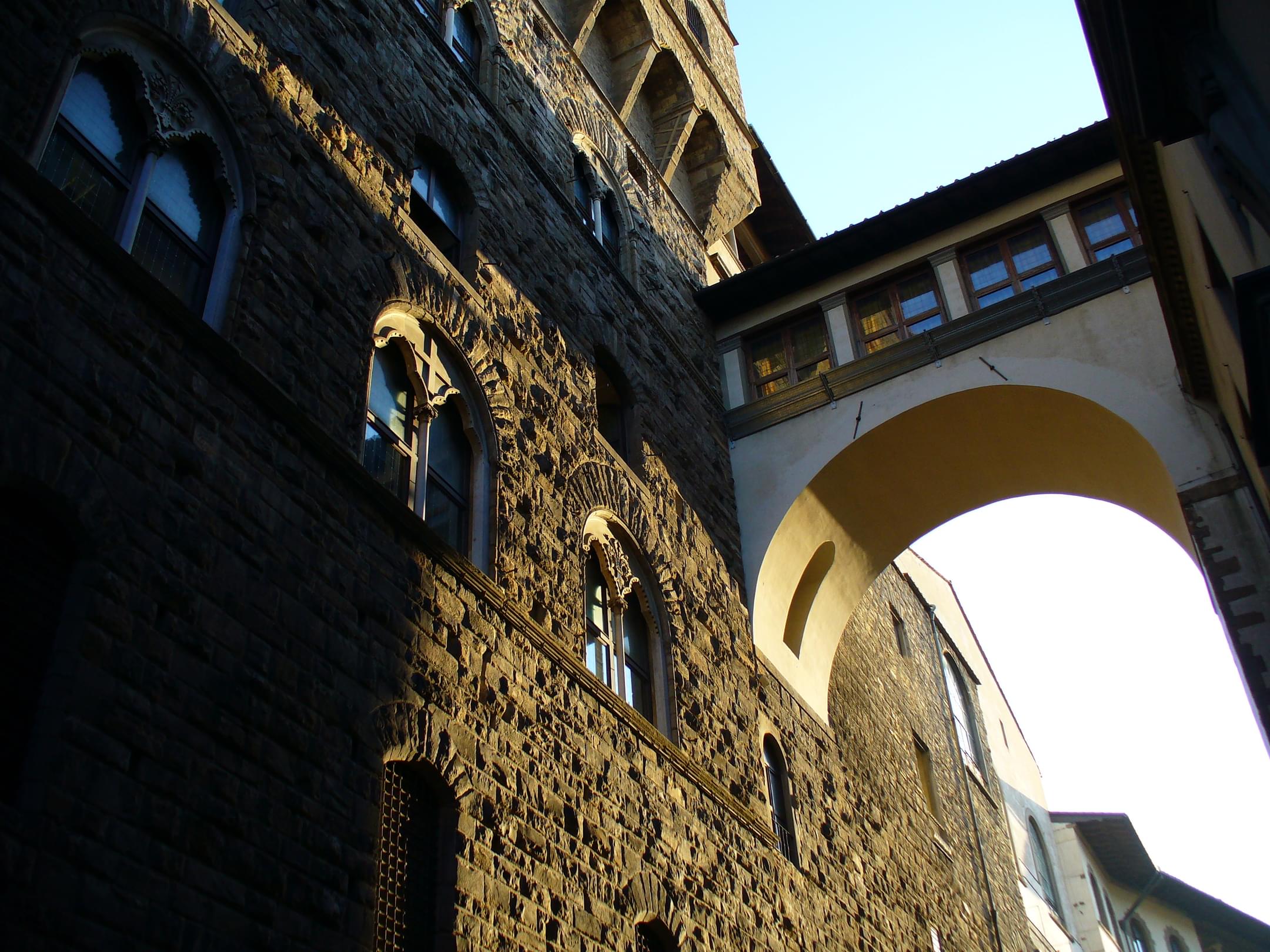
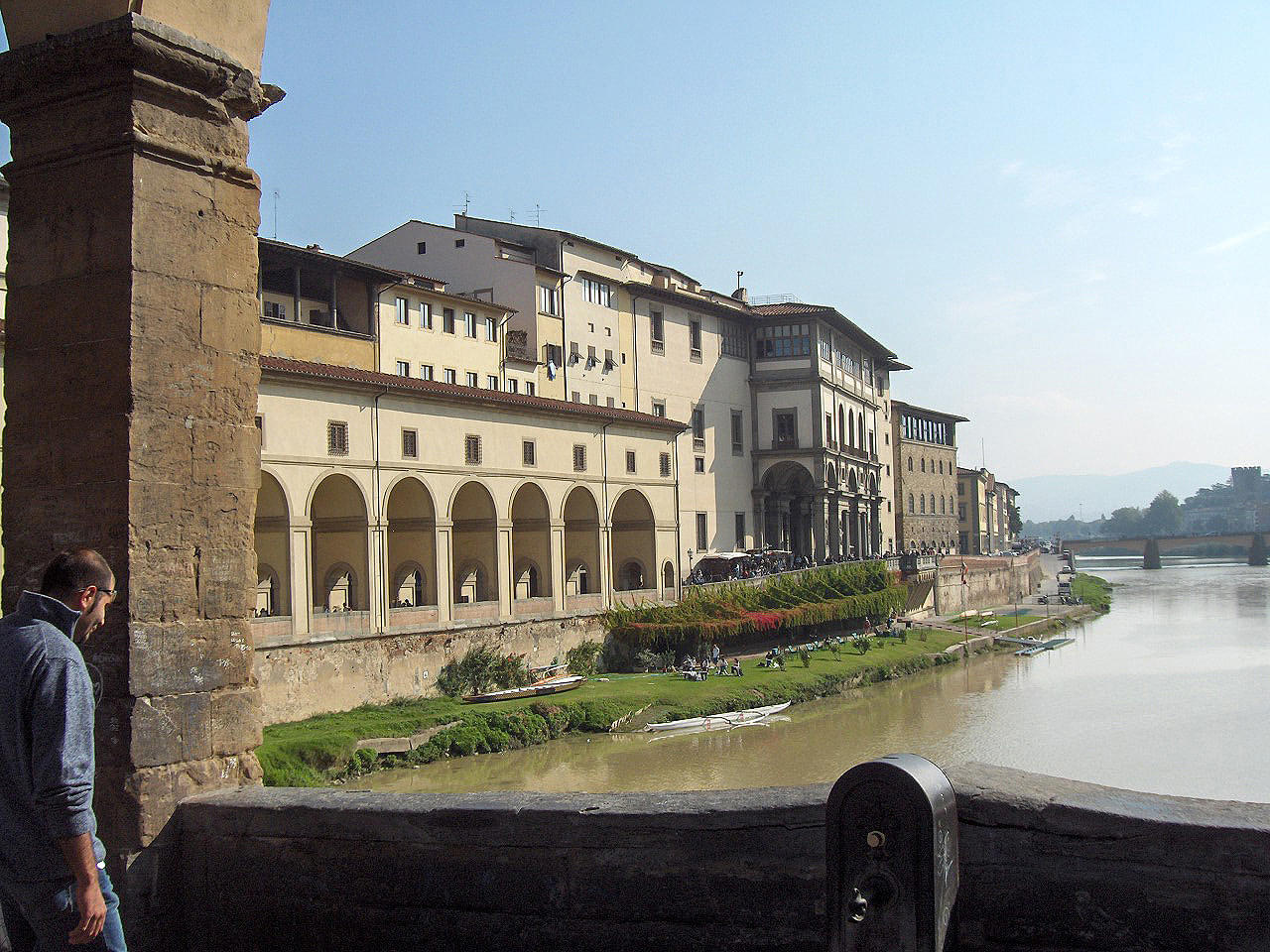
The Vasari Corridor, also known as the Corridoio Vasariano, has a fascinating history that dates back to the 16th century. It was commissioned by Cosimo I de' Medici, the Grand Duke of Tuscany, in 1565. The purpose of this raised passageway was to provide a safe and private route for the Medici family to move between their residences, the Palazzo Vecchio and the Palazzo Pitti, in Florence.
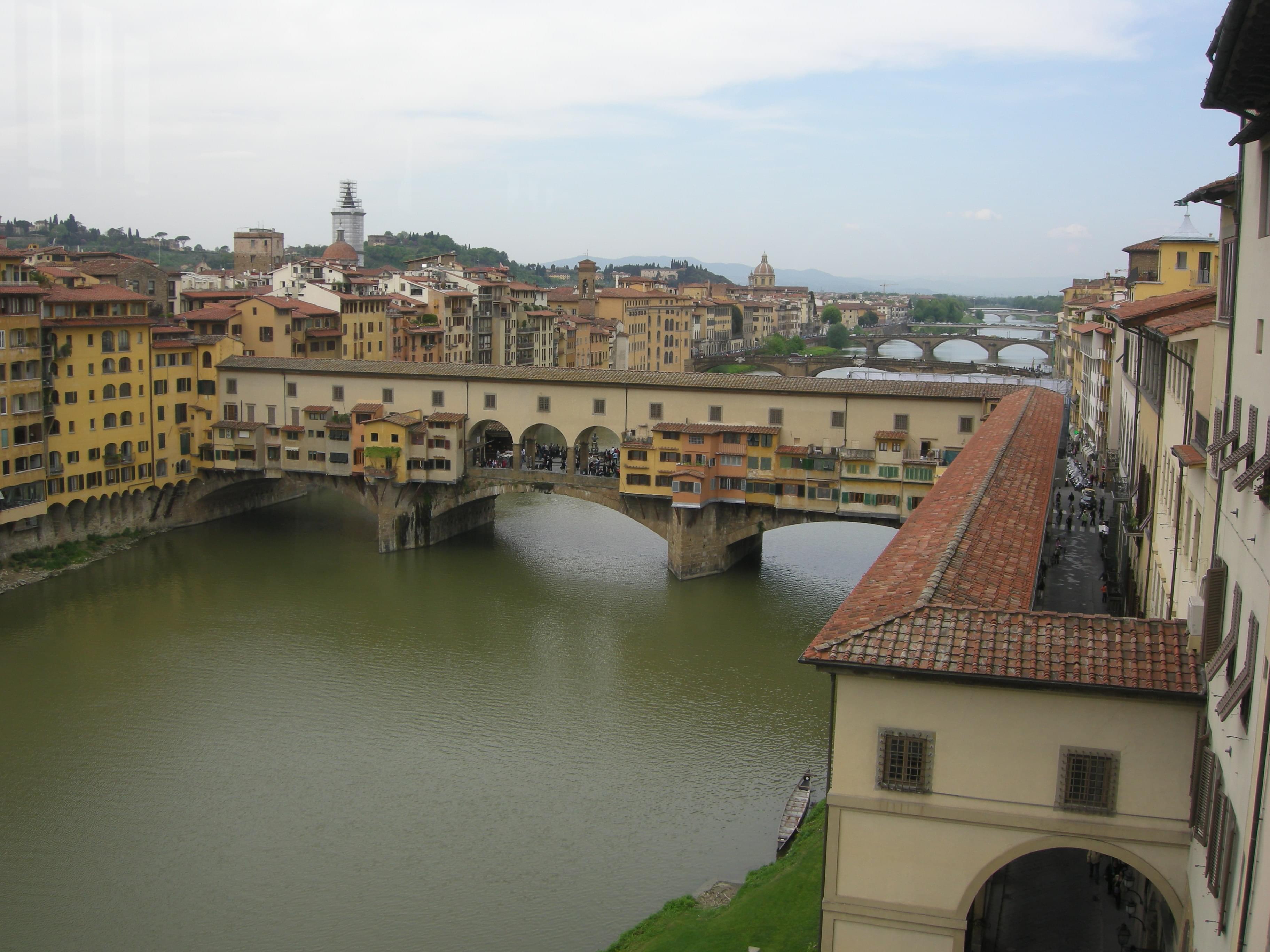
Designed by the renowned Italian architect Giorgio Vasari, the corridor stretches for about a kilometer, connecting the two palaces and passing over the iconic Ponte Vecchio bridge. It was completed in just five months, showcasing the ingenuity and efficiency of its construction.
Over the centuries, the Vasari Corridor has witnessed numerous historical events. It allowed the Medici family to move discreetly, away from the public eye, during times of political unrest. It also played a role in the famous assassination attempt on the Medici family in 1478, known as the Pazzi Conspiracy.
Today, the Vasari Corridor serves as a remarkable testament to the architectural brilliance of the Renaissance period. It houses an impressive collection of artworks, including paintings and sculptures, making it a unique and captivating attraction for visitors to Florence.
Also Checkout: Palazzo Vecchio History
Architecture Of Vasari Corridor
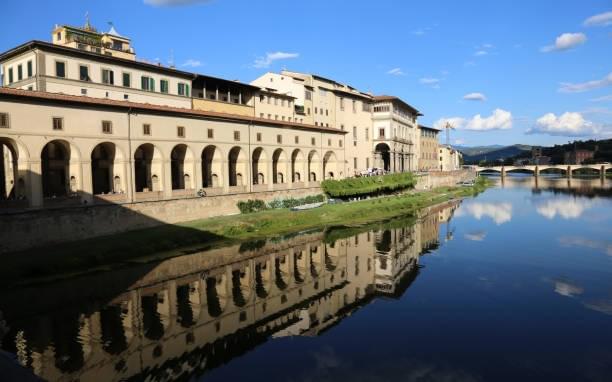
The construction of the Vasari Corridor was a remarkable feat of engineering and craftsmanship. The corridor was commissioned by Cosimo I de' Medici and designed by the renowned architect Giorgio Vasari in 1565. Its purpose was to provide a secure and private passage for the Medici family between their residences in Florence, the Palazzo Vecchio and the Palazzo Pitti.
The construction of the Vasari Corridor was completed in an impressively short timeframe of just five months. It required innovative architectural solutions to connect the two palaces while spanning the Arno River and passing over the Ponte Vecchio. The corridor was built as a raised passageway, supported by stone arches and segments, allowing it to seamlessly blend with the existing structures of the city.
Skilled craftsmen and artists were involved in the construction process, ensuring the corridor's aesthetic beauty. The corridor's walls were adorned with decorative frescoes and over a thousand portraits, creating a unique gallery that showcased the artistic wealth of the Medici family.
The construction of the Vasari Corridor stands as a testament to the architectural prowess of the Renaissance period and continues to captivate visitors with its historical significance and artistic grandeur.
Also Read: Attractions to Visit In Florence
FAQs for Vasari Corridor
What is the Vasari Corridor?
The Vasari Corridor is a raised passageway in Florence, Italy, connecting the Palazzo Vecchio with the Palazzo Pitti. It spans over the Ponte Vecchio and is known for its unique architectural design and artistic significance.
Who commissioned the construction of the Vasari Corridor?
The Vasari Corridor was commissioned by Cosimo I de' Medici, the Grand Duke of Tuscany, in 1565.
Why was the Vasari Corridor built?
The corridor was built to provide a safe and private route for the Medici family to move between their residences without mingling with the common people. It allowed them to travel discreetly during times of political unrest.
Who designed the Vasari Corridor?
The corridor was designed by Giorgio Vasari, a renowned Italian architect of the Renaissance period.
What is unique about the Vasari Corridor?
The Vasari Corridor is renowned for its collection of over 1,000 portraits, including works by famous artists such as Raphael, Titian, and Rembrandt. It also offers stunning views of the Arno River and the cityscape of Florence.
Can visitors access the Vasari Corridor?
Access to the Vasari Corridor is limited and typically available through guided tours. Visitors can explore this architectural marvel and admire its impressive collection of artworks.
How long is the Vasari Corridor?
The Vasari Corridor stretches for approximately 1 kilometer, connecting the Palazzo Vecchio and the Palazzo Pitti.
When was the construction of the Vasari Corridor completed?
The construction of the Vasari Corridor was completed in 1565, taking just five months to build.
What is the historical significance of the Vasari Corridor?
The Vasari Corridor played a role in historical events, including the Pazzi Conspiracy, an assassination attempt on the Medici family in 1478. It also symbolizes the power and influence of the Medici family during the Renaissance period.
Is the Vasari Corridor open to the public?
The Vasari Corridor is not always open to the general public. Access is usually restricted, and visitors can explore it through organized tours or special arrangements.