
.jfif?w=1080&dpr=2)
.jfif)
.jfif)
San Marco Museum Overview
Explore San Marco Museum
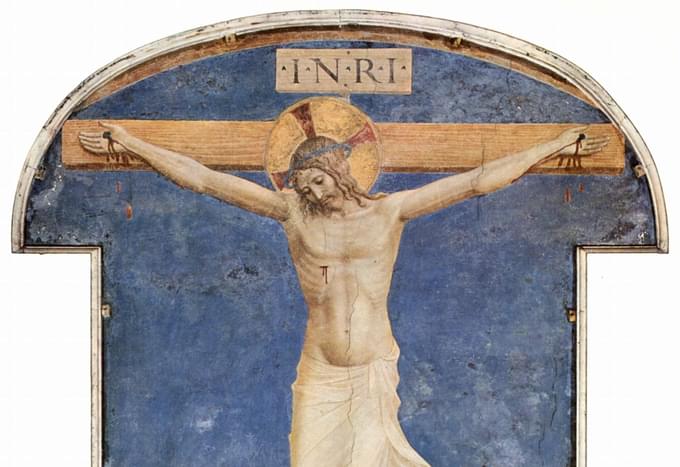
Located in the refectory near the Foresteria, the Last Supper Fresco is a significant exhibit at the San Marco Museum. Painted by the illustrious Italian Renaissance artist Domenico Ghirlandaio, the fresco beautifully depicts Jesus Christ's final meal with his disciples. With its origin in the late 15th century, this masterpiece has been recently restored to reinstate its original grandeur. The fresco's historical and artistic value makes it an unmissable feature of the museum. Its strategic location and the narrative it portrays encapsulate a critical event in religious history, becoming a focal point of interest for all visitors.
Also Checkout: David of Michelangelo
%20(1).jpg?w=340&dpr=2)
On the museum's second floor, the Annunciation by Fra Angelico painted between 1439-43, stands as a testament to the artist's skill. This large fresco adorns the top of the stairs leading to the monks' sleeping quarters. The momentous scene presents the archangel Gabriel revealing to Mary her destiny as the mother of God's son. Fra Angelico's adept use of perspective, the outdoor setting in contrast to typical High Gothic indoor settings, and Mary's understated acceptance lend this artwork profound depth. When lit by candlelight, the angel's dazzling wings provide a mesmerizing spectacle.
You May Also Like: Palazzo Vecchio
.jpg?w=340&dpr=2)
The San Marco Museum's library is a stunning representation of Renaissance architecture, designed by Michelozzo. This impressive structure was built to house the collection of humanist Niccolò Niccoli and was later enriched with additional works donated by Cosimo the Elder. Structured like a basilica, the library showcases three naves and arched vaulted ceilings. The library is home to a treasure trove of illuminated manuscripts, carrying immense historical value. Selected historic books, many of which were copied and illustrated in San Marco, are put on display for visitors, adding to the library's allure.
Must Checkout: Piazza Della Repubblica
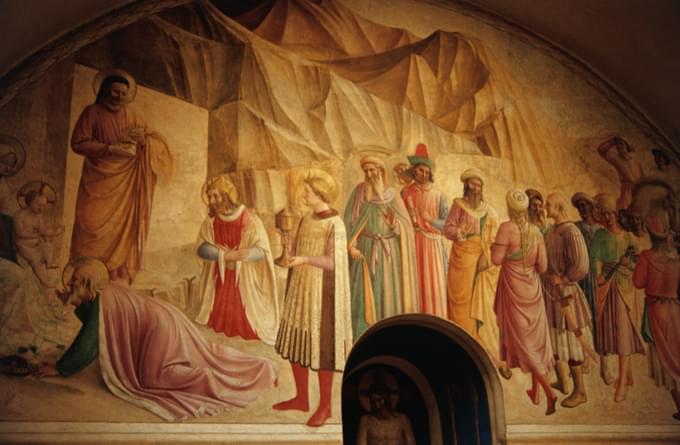
A visit to the San Marco Museum is incomplete without exploring the preserved monks' cells. With each cell containing a unique fresco by Fra Angelico, these spaces offer an intriguing peek into the monks' contemplative lives. The convent, home to 44 cells, showcases frescoes that were probably designed by Fra Angelico himself. The cells located along the corridor behind the Annunciation are particularly intriguing, with their frescoes thought to have been painted by Fra Angelico himself. Reserved for clerics and senior friars, these frescoes were intended to inspire deep contemplation, highlighting the spiritual practices of the time, and making them a remarkable testament to monastic life during the Renaissance.
Also Read: Florence Cathedral
History of San Marco Museum
_2.jfif?w=340&dpr=2)
- The San Marco Museum in Florence, Italy, has a rich history dating back to the 15th century.
- Commissioned by Cosimo de' Medici, a patron of art and intellect, it was architect Michelozzo who brought it to life between 1437 and 1452.
- Initially, it was a comfortable and modern convent which was home to Dominican monks, including Fra Angelico and Girolamo Savonarola.
- Its rooms are adorned with Fra Angelico's masterpieces, and it even hosted the first public library of the Western world.
- During the Napoleonic era, the convent was expropriated in 1808, a tumultuous period that saw it briefly return to Dominican possession before being claimed by the Italian government during the 1866 restoration.
- The San Marco Convent's transformation into a museum happened in 1869 when it was declared a National Monument. The doors were opened to the public, allowing visitors to marvel at its architectural and historical brilliance.
- Today, the museum showcases not just Fra Angelico's works but also pieces from artists like Domenico Ghirlandaio, Alesso Baldovinetti, Jacopo Vignali, and Bernardino Poccetti.
Must Checkout: Boboli Gardens
Know Before You Go
_1.jpg?w=340&dpr=2)
Location: The San Marco Museum is located at Piazza San Marco, 3, 50121 Firenze FI, Italy
Timings: San Marco Museum remains open for visits between 08:15 a.m. to 01:50 p.m. from Tuesday to Saturday.
Best time to visit: The best time to visit San Marco Museum is when it's less crowded. To do this, try going early in the morning right when the museum opens, at 08:15 a.m., or late in the afternoon after 12:00 p.m., and avoid weekends. If you're deciding on what month to go, consider visiting between November and February, which is their less busy time. If you can't make it during these months, March to May and September to October are also good choices because the weather is usually nice and there are fewer visitors.
You May Also Like: Palazzo Medici Riccardi
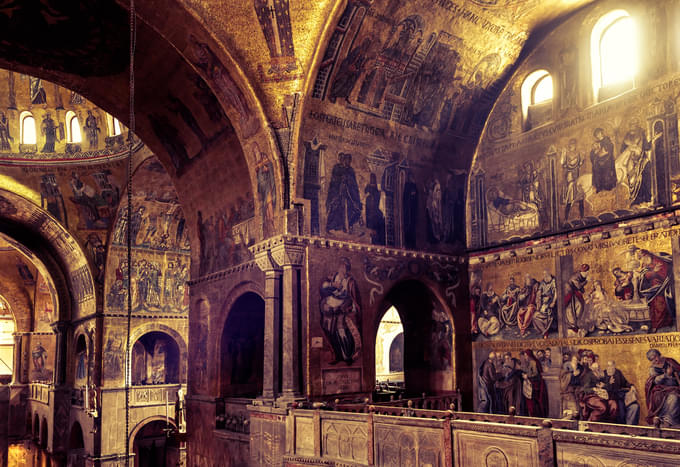
- By bus: If you wish to reach the San Marco Museum using public transport, the best mode of transport is the bus. You can board the Line 1, C1 or C2 buses and get off at the Piazza San Marco bus stop, which is located around 110 metres or a 2-minute walk away from the museum.
- By Car: For those who prefer driving, you can easily take the Via Camillo Cavour route from the city centre, which is around 1.7 kilometres in distance and can be covered in 8 to 15 minutes.
- By Train: The train is another viable option to reach the museum. The nearest station is Santa Maria Novella, from which the museum is just 1.3 kilometres, or a 15-minute walk away. Alternatively, visitors can alight at Firenze Campo Di Marte station which is also within walking distance from the museum, located 2.4 kilometres away.
Do Checkout: Ponte Vecchio
Tip to Visit San Marco Museum
FAQs
Where is the San Marco Museum located?
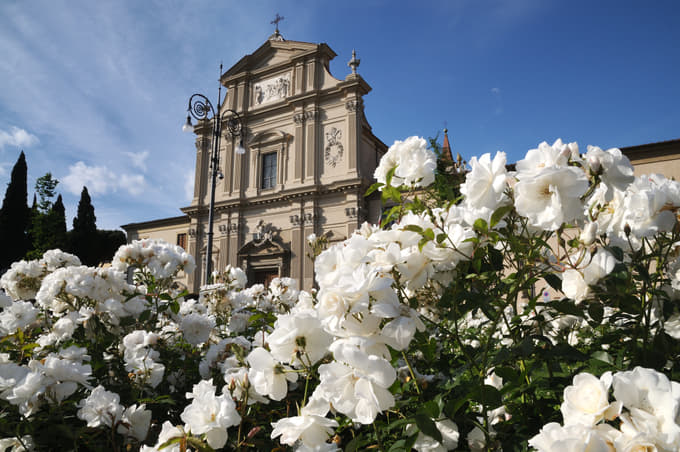
The San Marco Museum is located in Florence, Italy. Specifically, it is situated within the former Dominican convent of San Marco, which is in the northeastern part of the city. The museum is easily accessible and is found near other popular attractions in Florence, such as the Duomo and the Accademia Gallery.
What are the opening hours of San Marco Museum?
The San Marco Museum generally follows a consistent schedule for its opening hours. It is typically open from Tuesday to Sunday, with Monday being a weekly closure. The museum opens at 08:15 a.m. and remains accessible to visitors until 01:50 p.m. However, it is important to check the official website or contact the museum directly for any potential changes or exceptions to the opening hours.
Can I book San Marco Museum tickets online?
Yes, you can definitely book your tickets for the San Marco Museum online. Doing so is highly encouraged as it offers several benefits. Booking online allows you to secure your admission in advance, saving you time and avoiding long queues at the ticket counter. Additionally, online tickets often come with the option of selecting a specific entry time, ensuring a smoother and more convenient visit. Online booking also enables you to plan your visit better and ensures guaranteed entry during busy periods.
Is there a guided tour available at San Marco Museum?
Yes, guided tours are available at the San Marco Museum. These tours offer visitors a deeper understanding of the museum's collection and its historical significance. Knowledgeable guides provide valuable insights, explain the artworks and architecture, and highlight notable features within the museum. Guided tours can enhance the overall experience and provide a more enriching visit to the San Marco Museum.
How long does it take to explore the San Marco Museum?
The time required to explore the San Marco Museum may vary depending on individual interests and the level of detail one wishes to observe. On average, you can expect to spend around 1 to 2 hours exploring the museum. However, art enthusiasts and those interested in the works of Fra Angelico, the renowned Renaissance painter, may choose to spend additional time appreciating the collection.
Can I take photographs inside the San Marco Museum?
Photography is generally allowed inside the San Marco Museum for personal, non-commercial use. However, it is essential to respect the museum's guidelines and follow any restrictions or specific instructions provided by the staff. In certain areas or for specific artworks, photography may be prohibited or limited to prevent damage or disruption to the exhibits. It is recommended to inquire about any photography restrictions upon arrival or consult the museum's official website for further details.